Reduce Freight Emissions With Data-Driven Decisions
Access a national network of carriers operating zero- and near-zero-emission trucks, with carrier-level emission insights to help inform your transportation solutions.
Echo Global Logistics supports your emissions reduction and reporting goals by matching lower-emission carriers to your routes, schedules, and delivery needs.
Echo uses a data tool that brings together public datasets from the DOT, EPA, and NHTSA to provide carrier-level emissions insights. Because it doesn’t rely on carriers opting in, it gives broader emissions visibility across carriers to help you compare options and make data-driven transportation decisions.
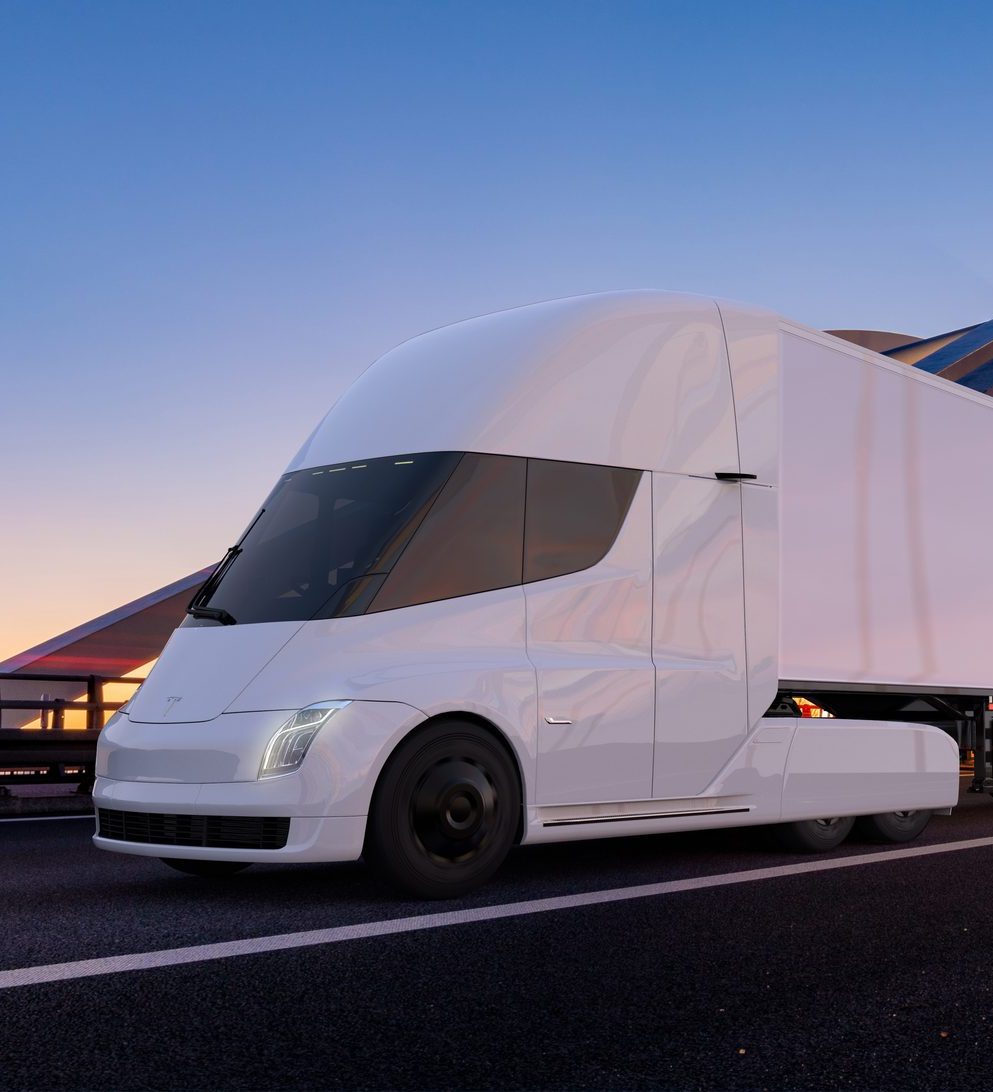
Echo works with carriers operating zero-emission vehicles, including battery-electric and hydrogen fuel cell trucks, as well as near-zero-emission trucks fueled by renewable diesel and biodiesel, helping you find options that fit your freight requirements and lanes.
Reduce Emissions Across Your Supply Chain
From port drayage to over-the-road, extend lower-emission service across your lanes and throughout your supply chain.
Make Data-DrivenTransportationDecisions
Echo can share carrier-level emission details to help you identify lower-emission alternatives and support your sustainability goals and reporting.
Lower Emissions You Can Measure
Carrier-Level Emissions Insights
Use carrier-level emissions data to better understand your freight’s environmental impact.
Broader Carrier Visibility: Insights drawn from government data sources, without relying on carriers to self-report.
Performance Comparisons: Use fleet-specific calculations to compare transportation choices.
Reporting and Benchmarking: Work with our team on transportation emission reporting to support your goals and identify your next reduction opportunity.
Zero-Emission Drayage
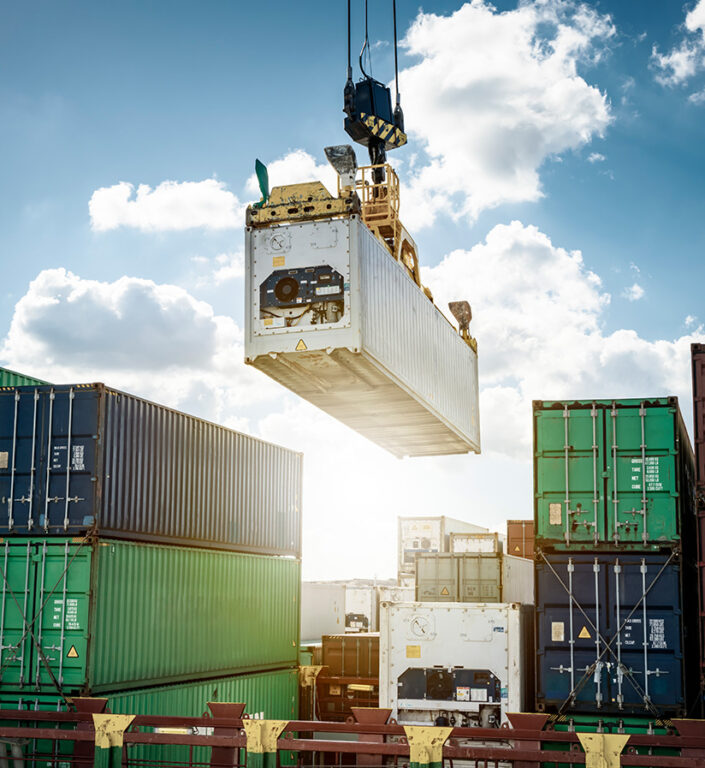
Reduce applicable port charges related to diesel emissions with zero-emission container moves.
Port to Warehouse: Move containers directly to your warehouse to help reduce port charges and WAIRE mitigation costs.
Port Transload: Transfer freight from standard over-the-road trucks to zero-emission trucks for port delivery, helping avoid applicable port charges.
Support Your WAIRE Compliance With Zero-Emission Drayage
Southern California’s Warehouse Actions and Investments to Reduce Emissions (WAIRE) program requires qualifying warehouse operators to address emissions associated with their facilities. Eligible zero-emission truck visits can earn points toward meeting those requirements and help reduce reliance on mitigation fees.
Echo can incorporate zero-emission capacity into your transportation plan, helping you earn WAIRE points and reduce mitigation fees through the freight you already need to move.
Zero-emission trucks, such as battery-electric and hydrogen fuel cell trucks, produce no tailpipe emissions. Near-zero-emission trucks use low-NOx engines, typically natural gas, that significantly reduce smog-forming emissions. Contact an Expert to discuss truck and fuel options for your shipping lanes.
Yes. Echo uses a data tool that brings together public datasets from the DOT, EPA, and NHTSA to provide carrier-level emissions insights, including for carriers that don’t self-report. Contact an Expert to confirm coverage for your shipments.
Echo’s emissions insights draw on public government datasets, including from the DOT, EPA, and NHTSA, to estimate emissions at the carrier level.
WAIRE stands for Warehouse Actions and Investments to Reduce Emissions. It is a Southern California program requiring qualifying warehouse operators to address facility-related emissions. Eligible zero-emission truck visits can earn points toward meeting those requirements.
No. Echo can build similar zero-emission drayage programs in other markets, using its work at the ports of Los Angeles and Long Beach as a model.
Moving suitable long-haul freight by intermodal rail can help reduce emissions compared with trucking.
Related Services
Intermodal Rail
Longstanding contracts with major rail carriers and drayage partners for cost-effective long-haul freight.