
Insourcing versus outsourcing: it’s the question every growing e-commerce brand eventually asks. Insourcing means processing every order with internal resources, from your own employees to your own warehouse, with no outside help. Outsourcing means handing some or all of that work to an external provider. In fulfillment, outsourcing is simply using a third-party logistics (3PL) partner to store inventory, pick, pack, ship, and process returns for you.
Order fulfillment is where your brand promise gets kept. Accurate, on-time orders earn trust, and trust brings customers back. The right model depends on your business goals, so it’s important to audit your current operations and fully understand your order volume, processes, and pain points, then weigh the trade-offs below.
What is Insourcing?
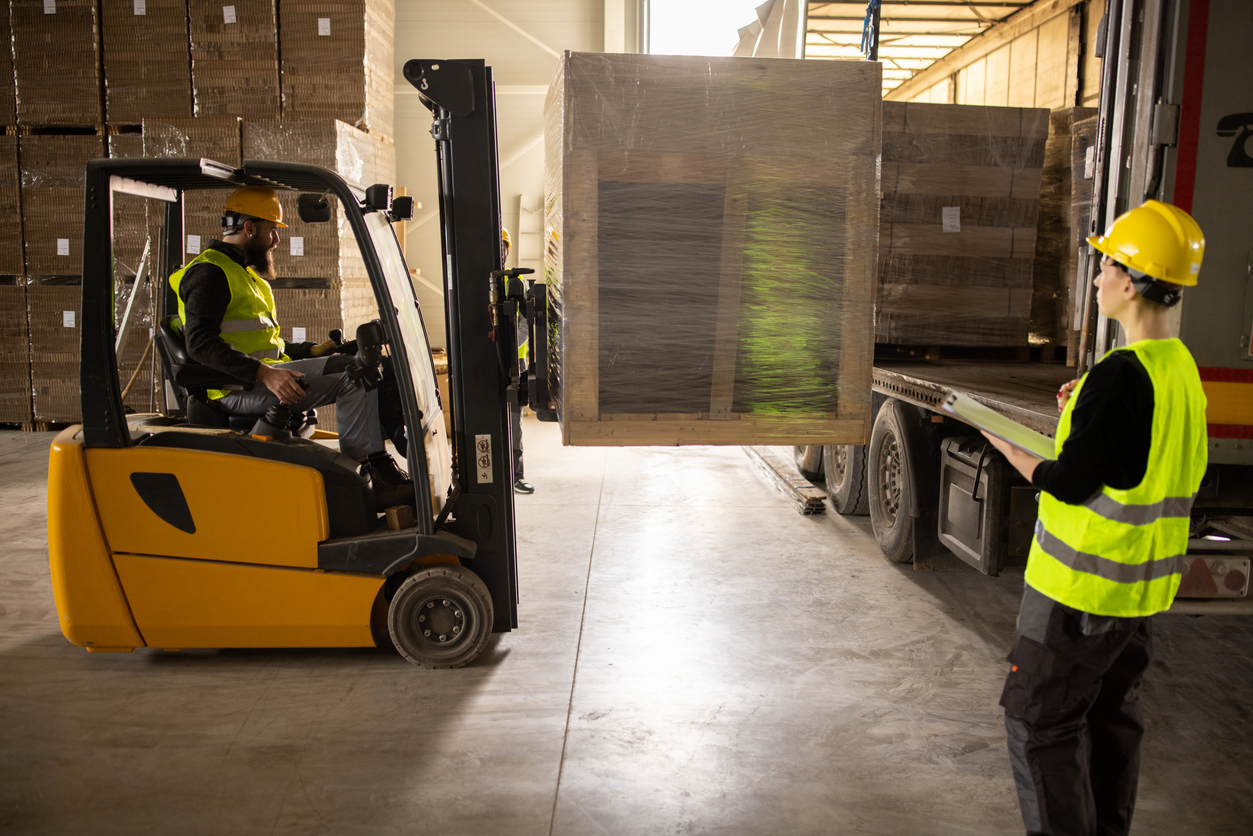
If you run a small business, insourcing could be a viable solution for you. Insourcing fulfillment means using your existing employees to pick, pack, and ship orders, manage inventory, and process returns and exchanges.
Pros of Insourcing Fulfillment
- Direct Control: With an in-house team, you decide how orders are handled, how fast they move, and what quality looks like. Your people already know your products and customers, and that institutional knowledge can help maintain consistent quality.
- Product Proximity: Handling your product every day shows you where packaging and presentation can improve, which matters most if you are launching new products to the market.
- Cost-Effective: For a small business, insourcing order fulfillment can be the most economical solution. This strategy lets you decide exactly how much to spend at each step and avoid third-party fees. Niche products, which often earn high margins on few sales, are a good example. Keeping fulfillment in-house protects those margins, and at low volumes, you may not need an external provider at all.
- Ideal for Startups: A new company with few orders rarely needs a 3PL partner yet. Insourcing lets you get established without a big spend until you’re ready to scale.
- Tighter Data and Intellectual Property Security: Fewer outside hands on your customer data and proprietary processes means fewer places for sensitive information to leak.
Cons of Insourcing Fulfillment
- Rising Operational Costs: Insourcing can look cheap at first and then get expensive. Labor costs for inventory management, picking, packing, and shipping add up fast, and you may also need warehouse space, equipment, and technology. Most of those are fixed costs that stay on the books when volume dips.
- Limited Flexibility: Without room to grow, adding products or scaling for peak season gets hard. You also lack the redundancy of a second provider, which can help during disruptions in the supply chain.
- Greater Risk of Error: Inventory miscounts and mishandled orders lead to backorders, which frustrate everyone.
- High-Level Experience: When logistics isn’t one of your core competencies, internal teams may lack the specialized skills to run it well. Training existing employees takes time and money, and results can suffer in the meantime.
- Divided Focus: Every hour your team spends on logistics is an hour not spent on product development, customer service, or sales. Stretch employees too thin and you risk burnout and turnover, which can impact company culture.
What is Outsourcing?
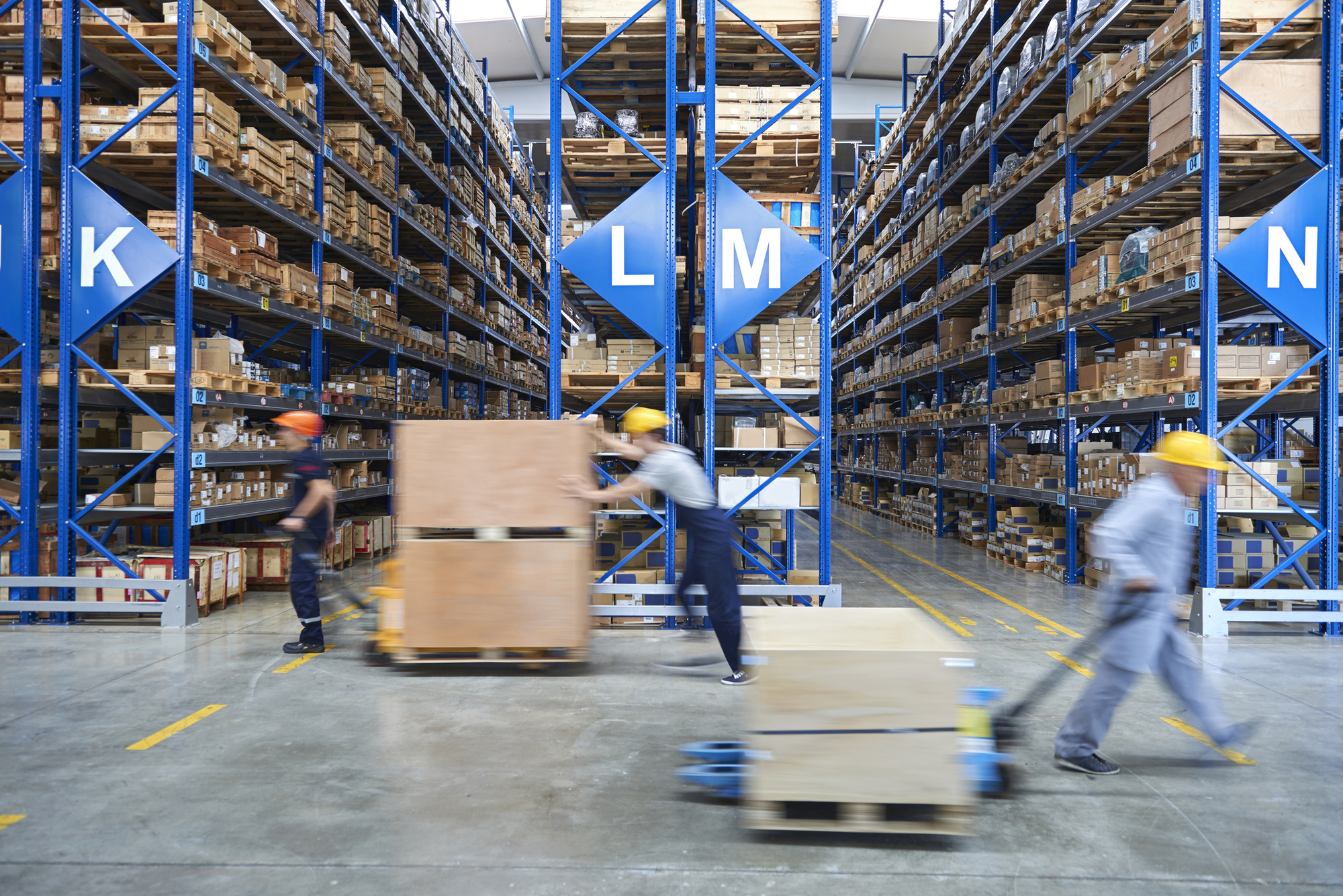
Outsourcing means hiring an external provider to handle a function instead of relying on internal teams. In e-commerce fulfillment, that means working with a 3PL partner, a company whose entire business is warehousing, order fulfillment, and shipping. A 3PL partner brings the people, space, technology, and carrier relationships that would take years and real capital to build yourself.
Pros of Outsourcing Fulfillment to a 3PL Partner
- Cost Savings That Compound: Partnering with a 3PL can lower your total cost over time. Fee structures can fit your business instead of forcing a one-size-fits-all rate. Storage, packaging, and shipping come bundled, so you aren’t paying for each separately every month. Most 3PL partners also hold negotiated rates with carriers like UPS, FedEx, and DHL and can pass those savings on to you. You skip the carrier comparison entirely.
- Specialized Expertise: An outsourcing provider has already solved the problems your team is still learning to solve. That external expertise shows up in faster pick-and-pack, better inventory accuracy, and smarter carrier selection.
- Operational Efficiency: Filling orders, processing returns, and juggling shipping options eat hours. Outsourced teams take that on so you can focus on core business operations like product and sales.
- Scalability: Volume climbs, demand spikes, a new product line launches. A 3PL partner absorbs it without you adding labor, warehouse space, racking, or equipment. Costs flex with demand instead of sitting on your books as fixed costs.
- Technology Capabilities: Look for a 3PL partner with in-house IT and software development teams. That’s a competitive advantage that’s hard to build alone, and many offer inventory tracking that gives you real-time visibility.
Cons of Outsourcing Fulfillment
- Upfront Investment: Although outsourcing your fulfillment is likely to be more cost-effective in the long run, onboarding costs can feel steep at first.
- Custom Packaging: Depending on your business and branding, you may offer highly customized packaging or kitting. Sometimes, 3PLs or fulfillment centers don’t offer high levels of customization, although most do offer branded packaging and some level of kitting.
- Less Control: You give up some hands-on oversight, and communication with an external provider takes deliberate effort. Choose a 3PL partner with consistent, proactive communication so you know where every order stands.
- Data and Intellectual Property Exposure: Giving an outside company access to customer data and inventory means vetting its security practices. A strong contract and clear data-handling standards matter.
Deciding between insourcing versus outsourcing your fulfillment can be a difficult decision, and the right call for you really depends on your specific business and the outsourcing provider you choose. At Echo Global Logistics, we have experience outsourcing fulfillment for all kinds of companies, from e-commerce brands and retail suppliers to everything in between, always with a focus on client satisfaction. If you’re weighing your options, give us a call today. We’ll talk through your situation and tell you plainly whether we’re the right fit. If we’re not, we’ll point you toward something that is.
Learn more about our warehousing, distribution, fulfillment, and parcel services today.