Drayage is a niche but vital service in the multibillion-dollar supply chain and logistics industry. It may seem like a small step, but drayage is integral to the domestic supply chain and to overall container management.
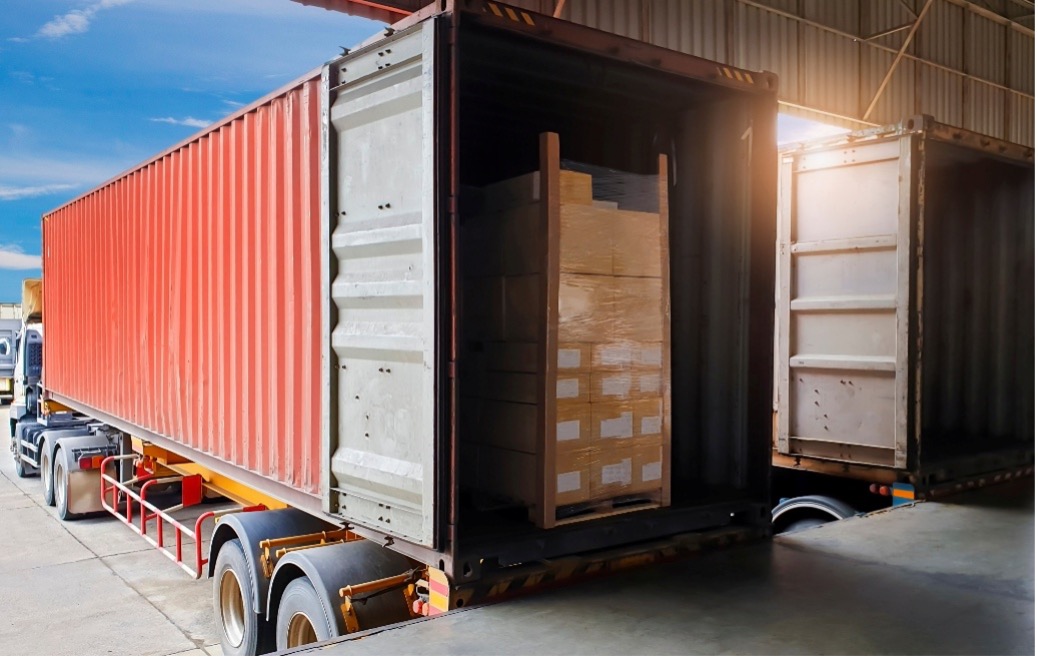
Drayage refers to the transportation of a container over a short distance of 50 miles or less, typically from ports and rail yards to distribution centers or storage yards. The U.S. drayage services market is projected to grow at a compound annual growth rate (CAGR) of 3.9% between 2026 and 2034, as imports rise with the global logistics market.
Manufacturing and e-commerce are primary drivers of that growth. The e-commerce market continues to grow and strongly affects retail and distribution channels, as clients are exposed to overseas brands and place more orders from Europe and Asia.
Challenges in Container Drayage
A container’s journey from ship to shelf can be compared to a row of dominoes, and drayage is the first domino. If the first domino doesn’t fall correctly, it affects every domino thereafter. Even though a container travels a short distance, moving it can still create many logistical challenges.
Delays at the port ripple through every drayage move that follows. In February 2021, for example, about 800 of the Port of Los Angeles’ 15,000 workers couldn’t work because of COVID-19, and roughly 85% of container vessels went straight to anchorage, waiting an average of eight days to unload. That was up from fewer than three days when congestion began in November 2020. The port planned to divert ships to other ports to clear the backlog. Those delays lasted for months.
It doesn’t take something as extreme as a global pandemic to disrupt drayage operations. Labor strikes, natural disasters, shifts in trade policy, and bottlenecks in major maritime corridors have all caused sudden delays at ports in recent years. The Los Angeles and Long Beach port complex moves roughly a third of the nation’s containerized cargo, so when it slows, shippers feel it across the supply chain.
Shipment visibility is an ongoing challenge in drayage and transportation. Before the first drayage movement can occur, a container must reach its destination port. With real-time data and status updates, shippers can prepare and plan inventory, optimize team operations, and maintain client satisfaction. Delays can occur if no driver is available to receive the container at the port, no team is available to unload it at the distribution center, or if delays occur anywhere in between.
The Importance of Drayage and Shipping Container Management
- Efficient Transportation: Drayage helps move goods efficiently from one point to another, connecting different modes of transportation when a container enters the domestic supply chain.
- Last-Mile Logistics: Drayage can serve as the “last mile” in a supply chain, delivering goods from a transportation hub to its intended destination, such as a retail store, distribution center, or manufacturing facility.
- Port Operations: Drayage is critical in port operations, facilitating the movement of containers between ships and inland transportation systems.
- Supply Chain Optimization: Drayage plays a vital role in optimizing the supply chain by ensuring timely delivery, reducing transportation costs, and improving overall efficiency and cost-effectiveness.
- Reduced Inventory Costs: By quickly and efficiently transporting goods, drayage helps reduce inventory carrying costs and minimizes the time goods spend in transit.
- Environmental Impact: Drayage can support environmental sustainability through optimized routes, reducing emissions and promoting eco-friendly transportation options.
- Intermodal Connectivity: Drayage facilitates intermodal transportation, allowing cargo to move seamlessly between modes, such as ship-to-truck or rail-to-truck.
- Trade Facilitation: Drayage is required for international trade, connecting ports to domestic distribution networks and ensuring that goods reach their destinations promptly and efficiently.
Engage With a Trusted Logistics Partner for Drayage Services
Echo Global Logistics, one of the biggest logistics companies in the United States, provides port and rail drayage services in 50+ ports and rail ramps throughout North America. No matter the drayage and intermodal freight needs, the team at Echo has supply chain management solutions for drayage, including:
- Port and Rail Drayage Services: From the West to the East Coast, access Echo’s almost unlimited container storage, cross-docking, warehousing, and every port and rail terminal for ultimate flexibility and the highest level of service.
- Intermodal Transportation and Rail Services: Tap into Echo’s extensive network of partners with ample drayage carrier capacity, competitive rates, container availability, and security across North America.
- Cross-Dock/Transload: Transloading can be one of the most critical steps between port and final delivery. Superior cross-docking/transloading services lower costs, transit times, and accessorial fees. Every transload and cross-dock facility in Echo’s extensive network provides comprehensive solutions.
- Specialized Expertise: The dedicated team at Echo custom-designs SOPs that grow and flex to a client’s unique needs, with training to understand the nuances of handling detention, demurrage, and port congestion. From port-to-pier drayage to expedited, inter- or intracarrier drayage, shuttle, door-to-door, and ramp-to-ramp, all solutions come with complete visibility.
- Technology/Visibility: Clients can track every move 24/7 through proprietary technology and a self-service portal, with real-time monitoring, critical alerts, dynamic mapping and sort filters, and flexible invoicing options.
Learn more about Port Drayage Services with Echo today.
For informational purposes.